
Mariana Durst is an American painter, born in Mexico, whose work is shaped by a lifelong familiarity with places that resist easy definition.
Raised along the U.S.–Mexico border, she grew up in a landscape where languages, cultures, and histories overlapped more often than they divided. It was a place where boundaries existed but rarely felt absolute. That early experience left her comfortable with ambiguity and attentive to nuance—qualities that continue to shape the way she paints.
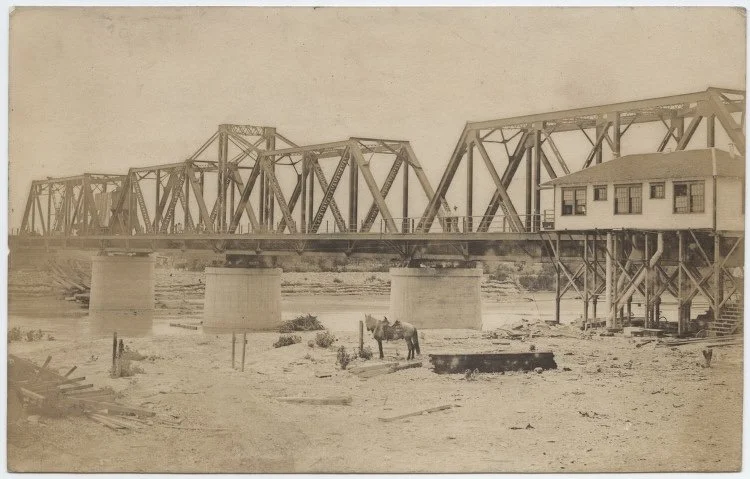
Working between abstraction and representation, Durst does not begin with a prescribed style. Some paintings ask for geometry. Others ask for realism. Some ask her to loosen her grip entirely. Rather than seeking consistency for its own sake, she follows the questions each painting presents.
Painting, for Durst, is a way of paying attention.
She is drawn to the quiet transformations that occur when looking extends beyond recognition into observation: the way afternoon light dissolves the edge of a form, how atmosphere softens certainty, how memory quietly alters what the eye believes it sees. Her paintings are less concerned with describing a subject than with remaining present long enough for something unexpected to emerge.
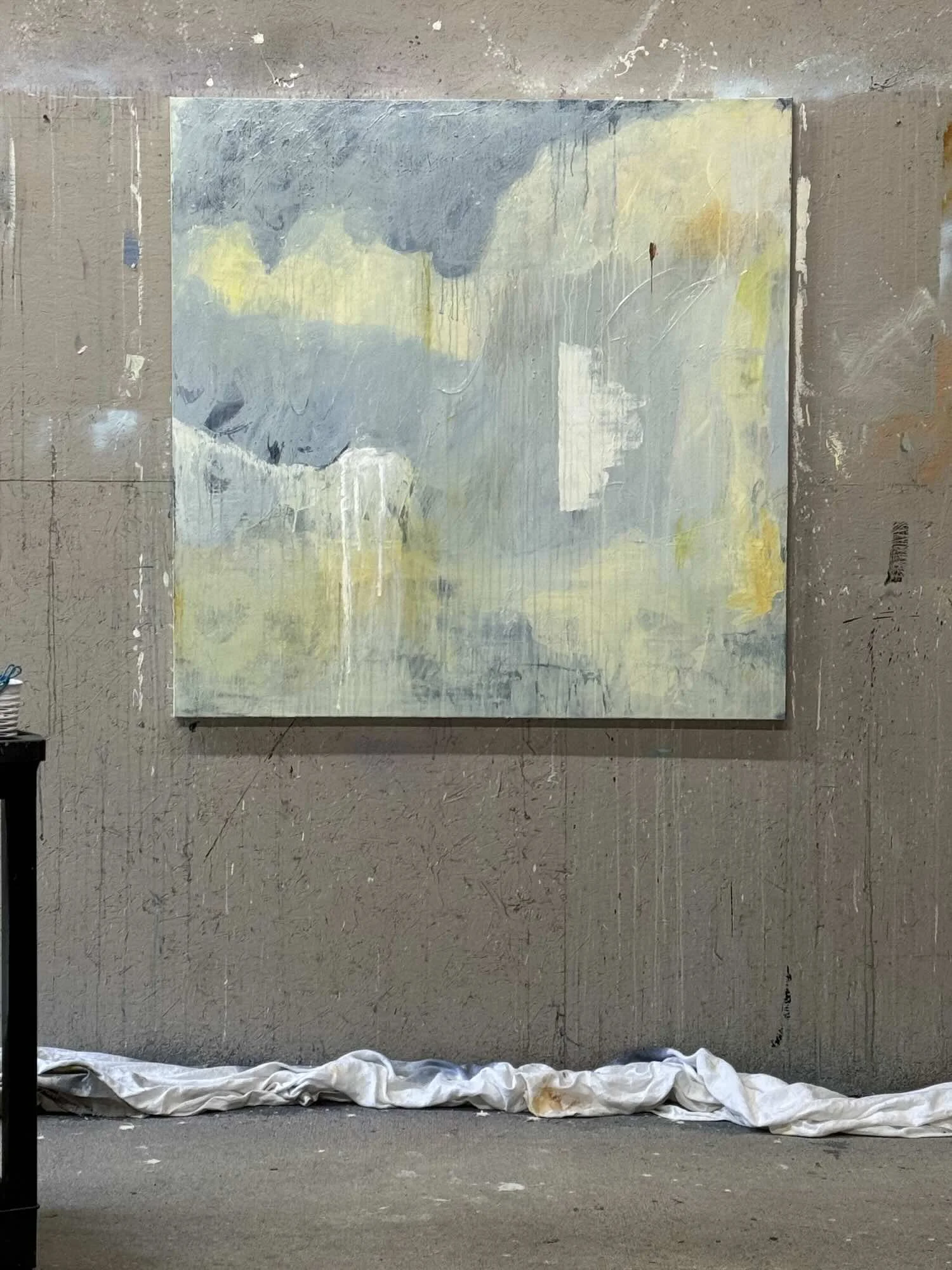
The studio is, above all, a place of study. Durst maintains an ongoing practice of drawing, observation, and technical exploration, believing that perception can be cultivated—that seeing, like painting, is a skill refined over a lifetime. She studies not to arrive at a fixed visual language, but to expand the range of questions she is capable of asking.
Across figures, abstraction, and the occasional still life, a common thread remains: an attention to moments that resist easy definition. Rather than offering conclusions, her paintings create space for sustained looking—for the kind of attention that reveals complexity where certainty once seemed enough.
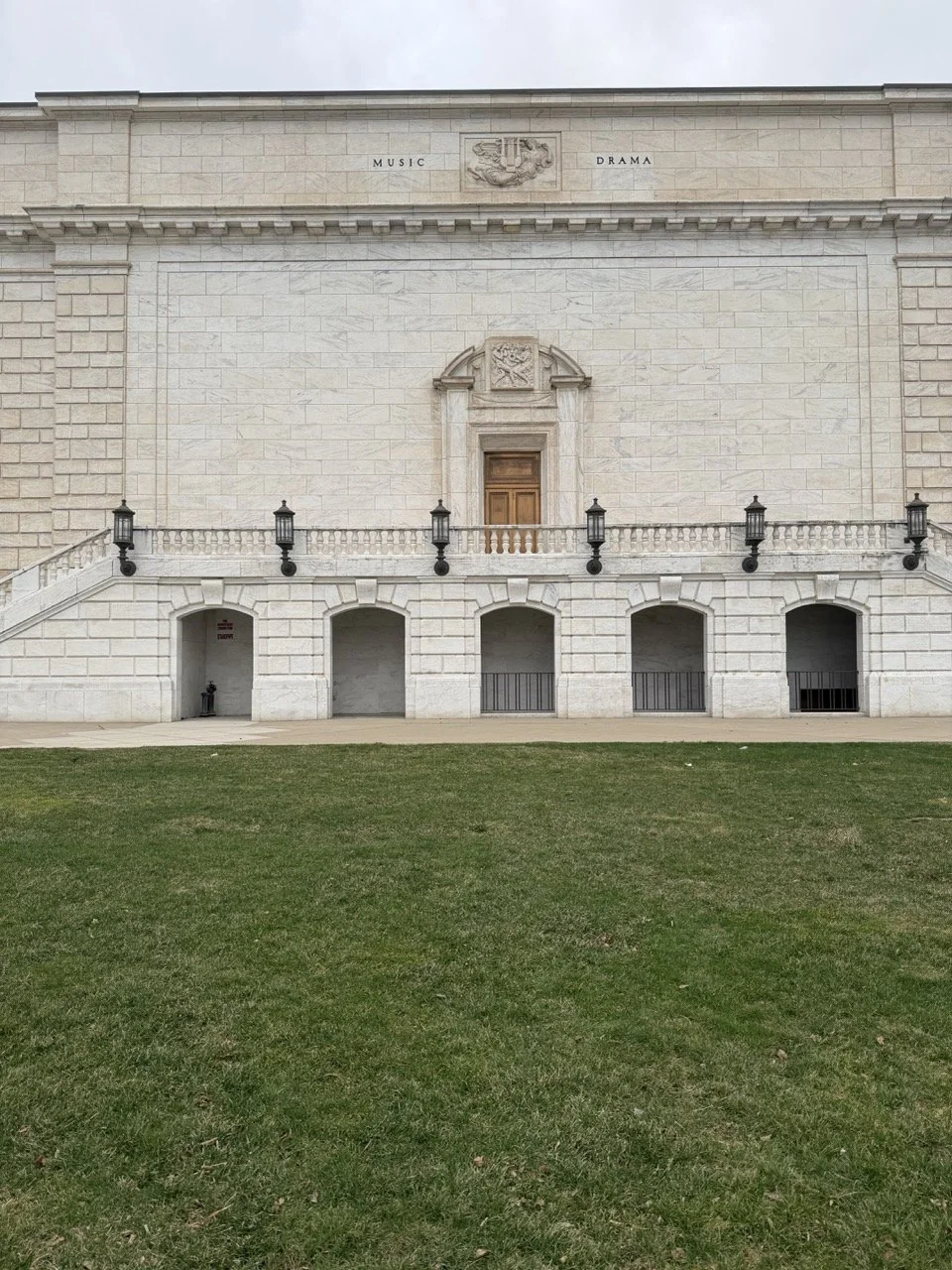
Durst received her Bachelor of Fine Arts from the College for Creative Studies in Detroit in 2004.
Her work has been exhibited at the Paint Creek Center for the Arts, the College for Creative Studies, and the Birmingham Bloomfield Art Center, among other venues.
She has continued her artistic education through rigorous independent study with contemporary painters such as Chelsea Lang, Nicholas Wilton, Susan Lyon, Tina Figarelli, Ruth Fitton, Ramón Hurtado, Joshua Larock, Stephen Bauman, Vitruvian Studios, Mary Dudek, Donald Cronkhite, Carolyn Shomaker, and many others.
Her work is held in private collections throughout the United States.